
Identify termite activity, timber damage and hidden risks before committing to your property purchase.
Termite & Timber Pest Activity
Evidence of past infestations
Moisture & Risk Conditions
Clear Findings & Recommendations
Purchasing a property without understanding its timber pest history can expose buyers to significant repair costs and ongoing treatment requirements. Termites often work behind walls, beneath floors and inside roof spaces, making professional inspections an important part of the due diligence process when purchasing property in Adelaide.
A Timber Pest Inspection (in accordance with AS 4349.3-2010) is a detailed visual assessment of a property to detect termites, timber pests, and conditions that may lead to activity or damage.
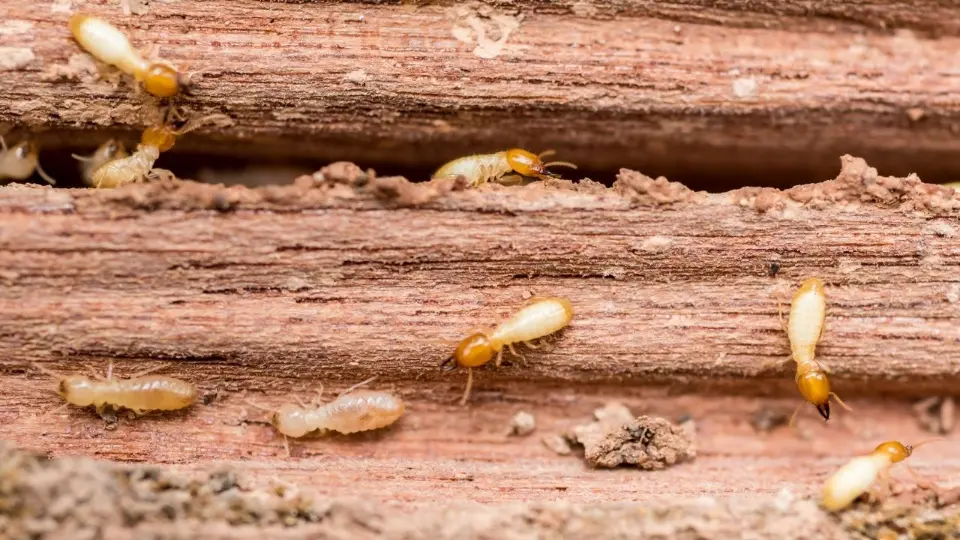
In Adelaide, termites can remain hidden for years, causing significant damage before becoming visible. This inspection is designed to uncover:
It gives you clarity on what’s happening now, and what could become a problem later.
At Prescan, our goal is simple:
To help you understand the property’s current timber pest condition and any risks that may require attention before you buy.
A Timber Pest Inspection is a visual assessment of the accessible areas of a property conducted in accordance with Australian Standard AS 4349.3-2010.
Evidence of termite activity
Previous timber pest damage
Timber decay and fungal activity
Conditions conducive to timber pest attack
Risk factors that may increase the likelihood of future infestations
The inspection provides valuable information about the property’s observable condition at the time of inspection and helps purchasers better understand potential timber pest risks before committing to a purchase.
Many Adelaide properties contain timber structural elements, timber framing, timber flooring systems, fencing, landscaping features and other materials attractive to termites.
Factors that may increase termite risk include:
Even modern homes can be vulnerable if conducive conditions exist.
A professional Timber Pest Inspection helps identify these risks before they develop into costly problems.
Prescan inspects all accessible areas of the property, with a focus on high-risk zones where timber pests are most likely to be active.
During the inspection, we assess both evidence of current activity and indicators that may suggest an increased likelihood of future timber pest problems.
This is often one of the most important findings within a Timber Pest Inspection.
Conditions conducive to termite attack are environmental factors that increase the likelihood of termite activity around a property.
Examples include:
A property may show no evidence of current termite activity yet still present a higher future risk if these conditions are present.
Many termite infestations occur because the property environment provides ideal conditions for termite activity.
Conditions conducive to termite attack may include:
Identifying and addressing these conditions can significantly reduce future termite risk and help protect the property over the long term.
Timber Pest Inspections are designed to identify visible evidence and risk indicators without causing damage to the property. Australian Standards require inspections to be non-invasive and limited to areas that are safely and reasonably accessible at the time of inspection.
Timber Pest Inspections are non-invasive visual inspections, meaning no damage is made to the property.
Prescan may use:
Every accessible area is carefully assessed to identify both visible issues and hidden risk indicators.
Evidence of active timber pest activity
Areas of previous damage
Identified risk factors and conducive conditions
Photographs of key findings
Areas that were inaccessible or limited
The report is designed to help purchasers understand both current findings and future risks. Findings are presented clearly and supported with photographs, observations and practical recommendations where appropriate.
Where appropriate, the report may include recommendations relating to:
The report reflects observations made during the inspection and represents a snapshot of the property’s condition at the time of assessment.
To set clear expectations:
This is why it is typically combined with a Building Inspection for a more complete assessment.
Timber pests, particularly termites, can cause serious structural damage without obvious warning signs.
A Timber Pest Inspection helps you:
Yes. Termites are present throughout many parts of South Australia and can cause significant damage before becoming visible.
Different soil types, moisture conditions, landscaping layouts and construction methods can all influence termite risk.
A Timber Pest Inspection helps identify evidence of activity, previous damage and conditions that may increase the likelihood of future infestations.
Many buyers choose to combine a Timber Pest Inspection with a Pre-Purchase Building Inspection.
Together, the inspections provide a broader understanding of:
For most purchasers, a combined inspection provides the most comprehensive pre-purchase assessment available.
Learn more about our Pre-Purchase Building & Timber Pest Inspections.
To set clear expectations:
This is why it is typically combined with a Building Inspection for a more complete assessment.
Know what you’re buying before you commit.
Schedule your Timber Pest Inspection with Prescan and gain clear, professional insight into the property’s condition, termite risk and future maintenance considerations before making your purchasing decision.
Most inspections take between 45 minutes and 1.5 hours, depending on property size and accessibility.
As part of a visual inspection, inspectors look for external signs such as mud tubes, abnormal moisture and damage indicators to determine the likelihood of activity.
The use of equipment such as microwave detectors is usually not practical during a pre-purchase inspection due to their very small operational range, and they are often part of an invasive or pre-treatment inspection to determine the extent of activity or confirm the effectiveness of treatments where activity has been confirmed.
Yes, particularly in certain soil types, locations and construction types. Regular inspections are recommended, especially for properties with timber elements.
Yes. Termites often remain hidden inside walls, roof voids, subfloors and other concealed areas. This is why professional inspections focus on identifying evidence and risk indicators that may not be obvious to purchasers.
These are environmental conditions that increase the likelihood of termite activity, such as excessive moisture, poor drainage, timber-to-soil contact and inadequate ventilation.
Yes. Age alone does not eliminate termite risk. Even relatively new homes can have conducive conditions, concealed damage or active infestations.
Absolutely. It’s one of the most important inspections you can undertake before committing to a purchase.
The report will outline the severity of the findings and recommend appropriate next steps, including treatment options and further specialist assessment where required.
While we are licensed pest technicians, we believe it is a conflict of interest to provide treatment quotations or perform treatments at properties where we identify activity during a pre-purchase inspection.
Australian Standards generally recommend regular termite inspections, typically at intervals not exceeding 12 months, although individual circumstances may vary.